Light came first. The stone gives it form.
A gemstone has no light of its own. Every flash you see in a moissanite is light from the room, slowed, bent and split inside the crystal, then sent back to you changed. These notes are about that light: what it does, how to see it, and how to choose a stone for the light you live in.
Note 01 · Brilliance
Light slows down inside moissanite.
Its refractive index of 2.65 to 2.69 bends light harder than diamond's 2.42, so more of the light that enters is turned back towards your eye as white brilliance.
Why moissanite sparkles →Note 02 · Fire
0.104
Moissanite's dispersion: how strongly it splits white light into colour. Diamond's is 0.044. It is enough to throw rainbows across a room in sunlight, and a crisp white sparkle indoors.
The science of moissanite →Note 03 · Stars
First found in a meteor crater.
In 1893 Henri Moissan found tiny crystals of silicon carbide in rock from the Canyon Diablo crater. Natural moissanite is so scarce that every gem is grown, crystal by crystal.
The history of moissanite →Note 04 · Colourless
Colourless stones keep the colour honest.
A warm tint sits underneath every flash of colour. We sell only DEF, the fully colourless top of the scale, so the fire stays clean.
The moissanite colour chart →
Ten cuts. Ten ways to hold light.
Brilliant cuts break light into many quick sparks; step cuts open it into broad, slow flashes. Each cut is filmed turning in the same studio light. Which cut sparkles most?
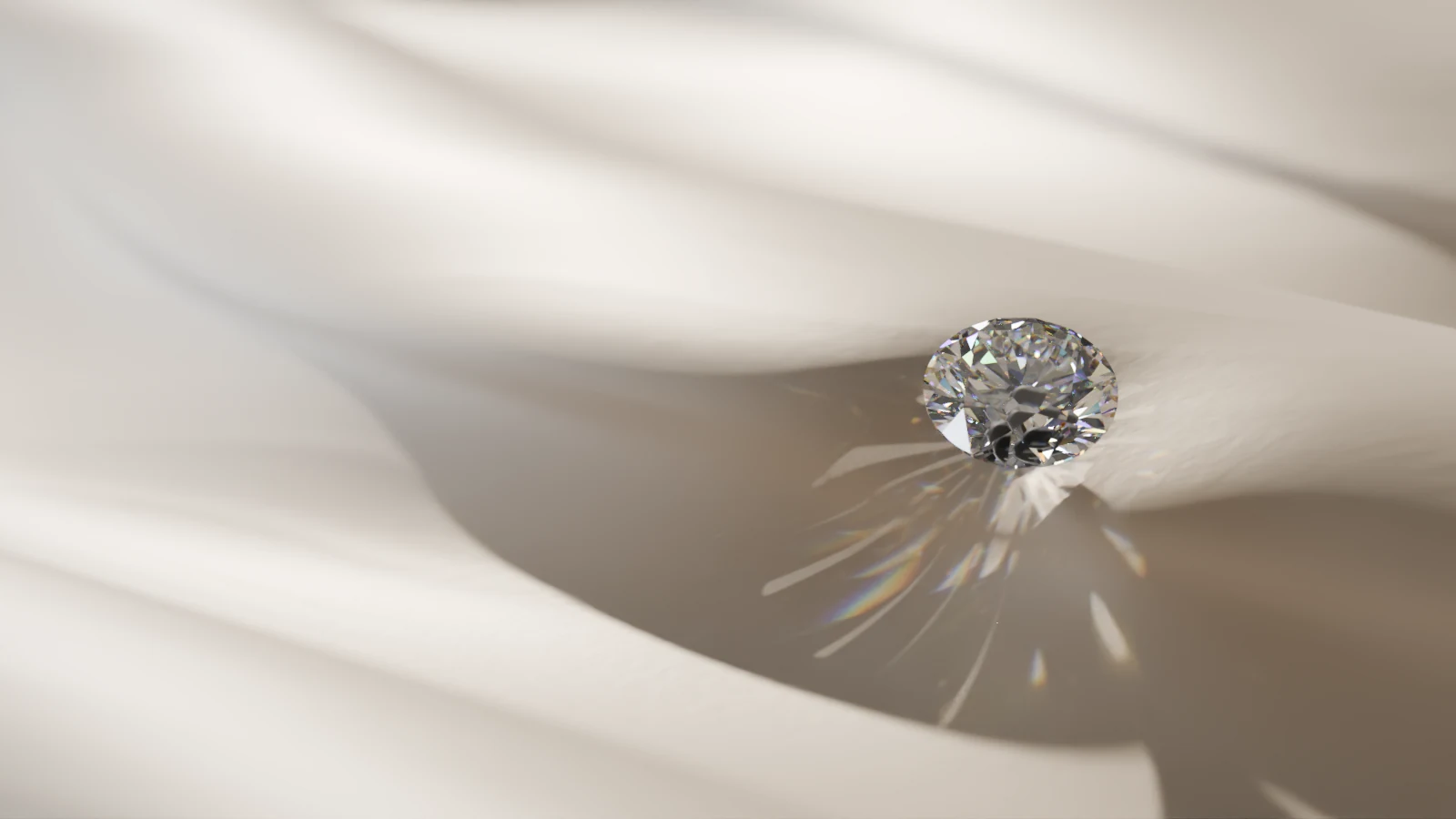
Light
Why moissanite sparkles
Brilliance, fire and rainbows: what light does inside the stone.
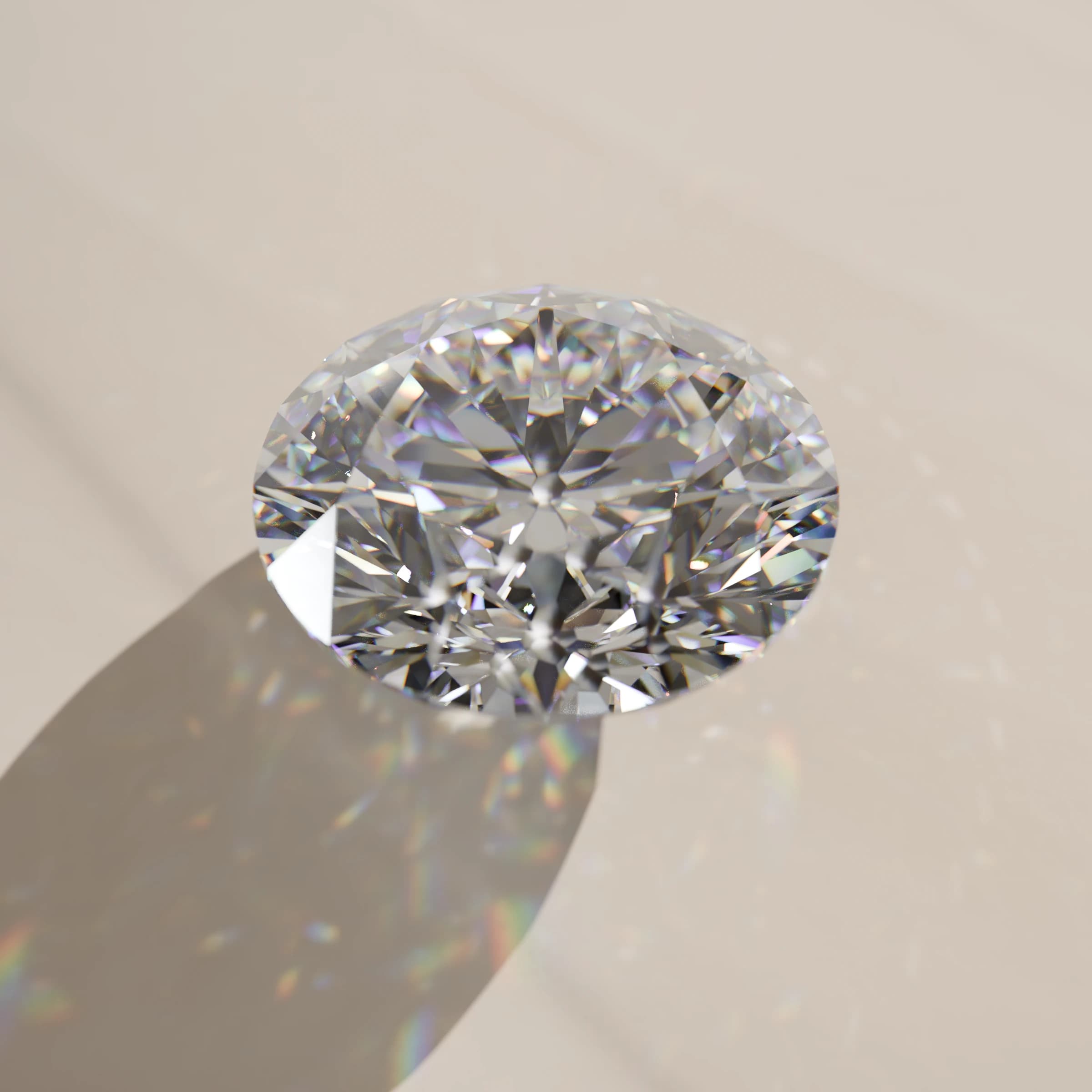
Light
Which moissanite cut sparkles most?
Ten cuts filmed turning in the light, and the sparkle each one gives.
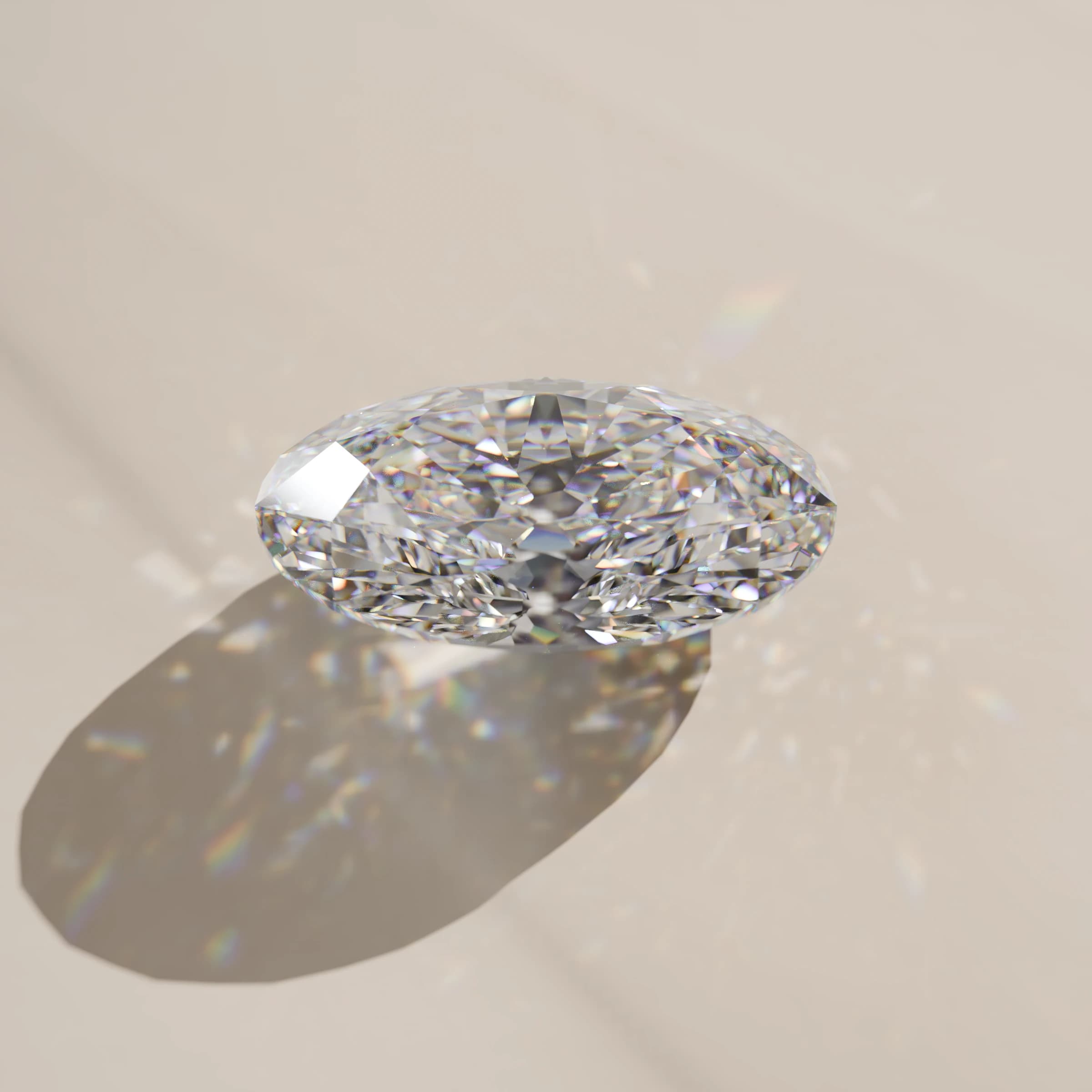
Light
Does moissanite look fake?
How it looks in sun, office light and candlelight, and what gives it away.
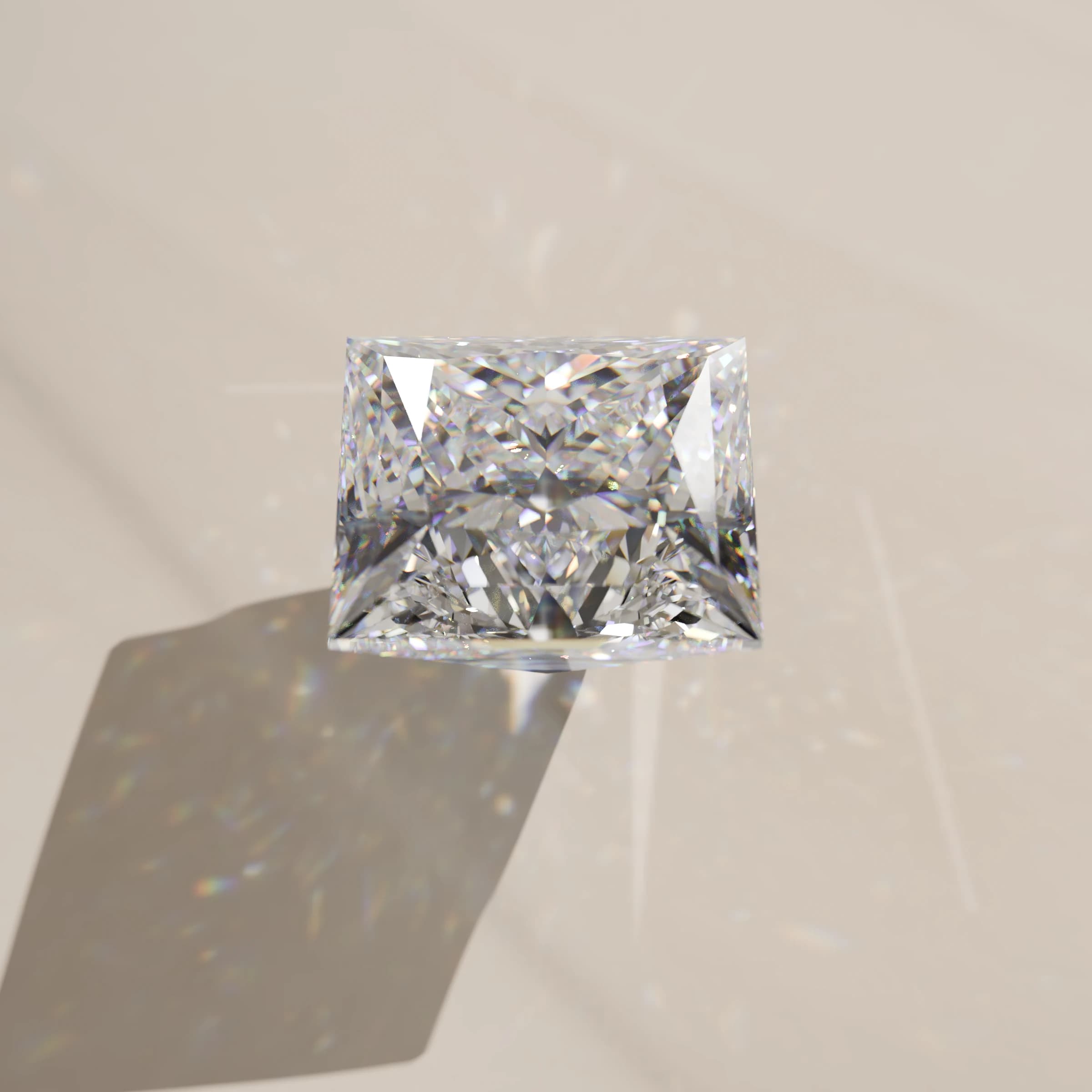
Wear
Is moissanite hard enough to wear every day?
Mohs 9.25: scratches, chips, heat and cloudiness, answered plainly.
See the light at its real size.
Every stone is DEF colourless and VVS clarity, shown turning in the light and at true size on a hand.